Imagine you have just come off your bike on a quiet stretch of a winding Australian road in May 2026. You are conscious but unable to communicate your medical history or emergency contacts to the first person who stops to help. It is a silent fear for many of the thousands of riders who navigate Australian roads. You need a way to provide vital information instantly without plastering your private mobile number across your gear for everyone to see. High quality qr code stickers for helmets offer a modern, tech-forward solution to this high stakes safety dilemma.
You likely worry that a harsh adhesive might damage your expensive carbon fibre shell or that your personal data is too exposed. We agree that your privacy is just as important as your physical safety. This guide shows you how to enhance your road protection using "masked" technology that keeps your phone number hidden from the public. You will learn how to choose a A$8.50 weather-tested tag that complies with ECE 22.06 standards while maintaining a professional look. We provide a step by step plan to ensure your QR code speaks when you can't, giving you and your family total peace of mind on every ride.
Key Takeaways
- Learn why instant identification is critical during the "Golden Hour" and why phone lock screens often fail when emergency responders need information most.
- Understand how masked contact technology protects your privacy by allowing a Good Samaritan to reach your loved ones without ever seeing your actual mobile number.
- Discover how to choose high-quality qr code stickers for helmets that withstand the intense Australian UV rays and use adhesives that won't compromise your helmet's safety standards.
- Master the installation process with professional tips on optimal placement and surface preparation to ensure a lifetime bond to your gear.
- See why an Australian-owned, subscription-free solution provides the most reliable and cost-effective way to stay protected on every ride.
Why Every Aussie Rider Needs QR Code Stickers for Helmets in 2026
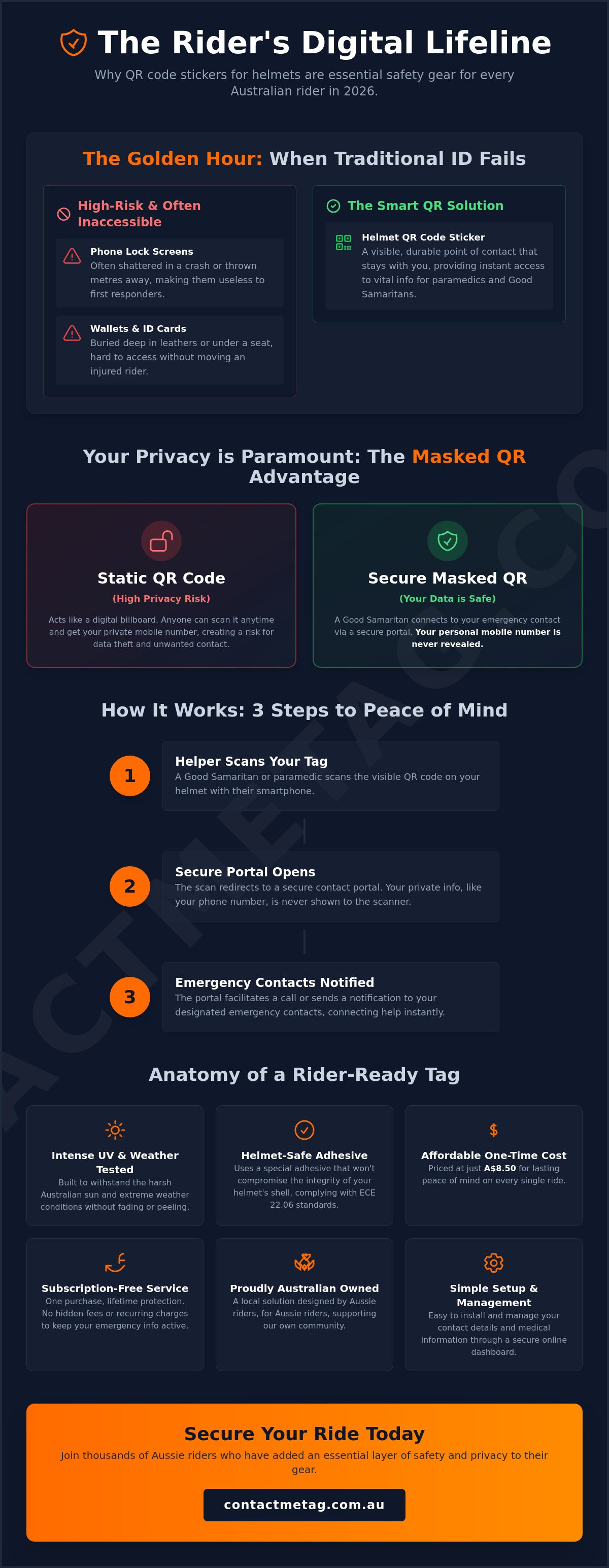
In emergency medicine, the first 60 minutes after a trauma is known as the "Golden Hour." This is the critical window where prompt medical treatment has the highest likelihood of preventing death or permanent disability. For Australian riders, every second counts. If you are unconscious after a slide on the Great Ocean Road, the minutes spent by paramedics searching for your identity or medical history are minutes lost for treatment. Quick access to your blood type or allergy information can change the outcome of a roadside rescue significantly.
Traditional identification methods are increasingly failing in the modern world. Most riders rely on their phone's lock screen or a physical card tucked into a wallet. However, high-impact incidents often shatter smartphone screens or throw devices several metres away from the rider, making them useless to a responder. Physical wallets are usually hidden deep inside leathers or under bike seats, which makes them difficult to reach without moving an injured person. This is why qr code stickers for helmets have become a vital part of smart safety gear. These tags provide a visible, external point of contact that stays with the rider regardless of where their bike or phone ends up.
The "Silent Rider" Problem in Emergencies
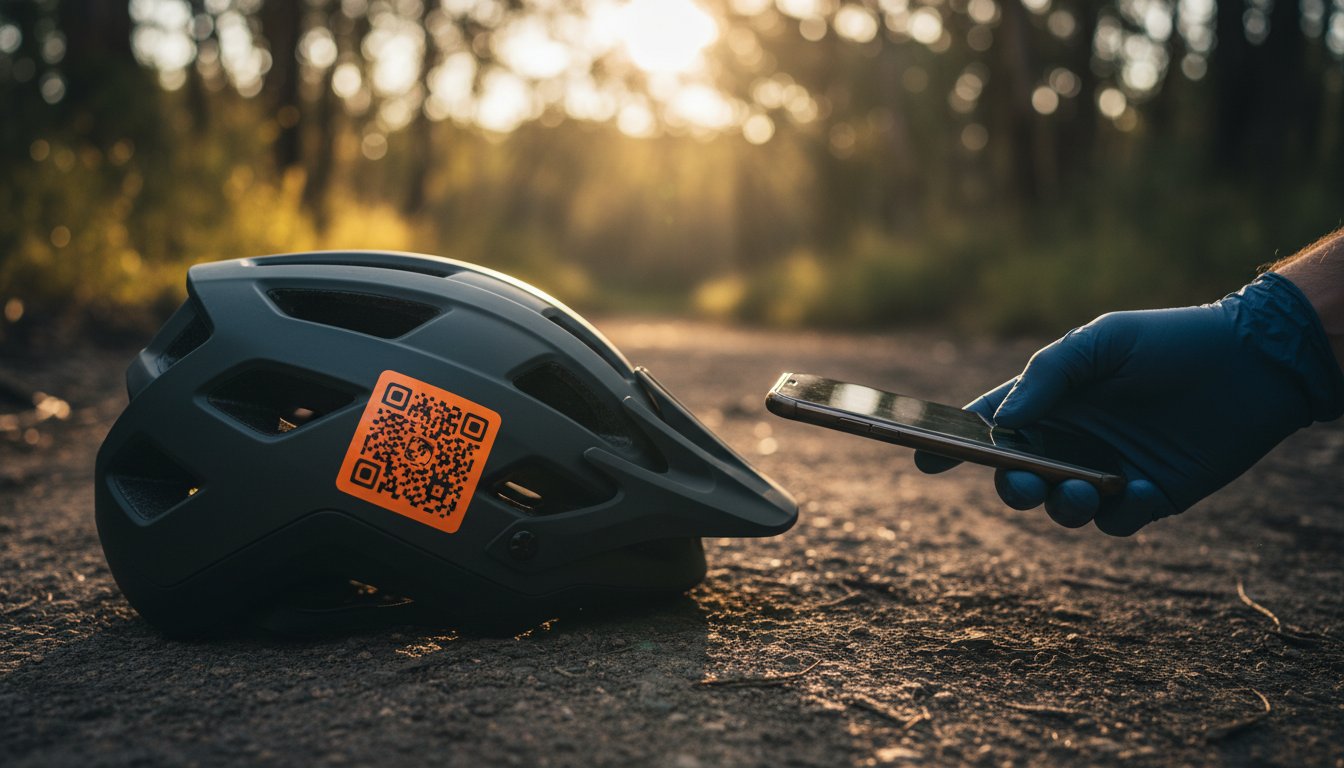
Paramedics face a massive hurdle when they arrive at a scene with an unidentified, non-responsive rider. Without knowing your pre-existing conditions or current medications, their treatment options are restricted. A What is a QR code? scan solves this by acting as your digital voice when you are physically unable to speak. It bridges the gap between the crash site and the hospital. This simple addition ensures your "silent" status doesn't lead to avoidable medical errors during those first few minutes of care.
Road Safety and the Australian "Good Samaritan" Culture
Australians are naturally inclined to help. Our "Good Samaritan" culture means bystanders are often the first on the scene long before an ambulance arrives. By 2026, the average Aussie is highly tech-savvy and comfortable using a smartphone to assist in a crisis. Providing a clear, visible scan point gives these helpers a specific, life-saving action to take. While you're at it, consider an emergency contact qr code for car as a complementary safety measure for your other vehicles. Using qr code stickers for helmets is part of a broader commitment to being prepared for life's unforeseen moments.
How Masked QR Technology Protects Your Privacy on the Road
Privacy is a top priority for Australian riders who often leave their gear unattended. Whether you are grabbing a flat white at a roadside cafe or parking at a busy beach, your helmet is often left on the bike. A sticker with your name and mobile number clearly visible is an invitation for data theft. Static QR codes are not much better; they act like digital billboards that anyone can read. This is why qr code stickers for helmets must utilise masked technology to be truly effective. Masked contact ensures that your personal details remain hidden until a genuine emergency occurs.
The difference between a "Static QR" and a "Secure Managed QR" platform is significant. A static code is hard-coded with information that never changes and cannot be protected. In contrast, a managed platform uses a secure gateway to facilitate communication. While initiatives like the Victoria Police emergency information for riders highlight the importance of carrying ID, a digital tag adds a layer of modern security. It allows a Good Samaritan to connect with your loved ones without ever seeing your private phone number. This balance of safety and secrecy is essential for the 2026 rider.
The "Masked" Promise: Security Meets Utility
When someone scans a masked tag, the system uses an auto-redirect to a secure contact portal. The person scanning sees a prompt to call your emergency contact, but the actual digits remain encrypted. This prevents malicious third parties from scraping your data for scams or marketing. It provides genuine peace of mind when you are away from your bike. You can enjoy your ride knowing your personal information isn't being broadcast to every passerby in the car park. Protecting your identity while securing your safety is a simple upgrade with a helmet-grade emergency tag.
Passive Tags vs. Active GPS: The Reliability Factor
Reliability is non-negotiable in a crisis. Active GPS trackers are useful but they rely on batteries, circuit boards, and consistent cellular signals. If the battery dies or you are in a regional "black spot," the tech fails. Passive qr code stickers for helmets require no power and no maintenance. They are always "on" and ready to work. Choosing a one-time purchase also eliminates the burden of monthly subscription fees. You pay once for the hardware, and the digital protection stays active for the life of your helmet without hidden costs.
Choosing the Right Tag: Durability and UV Resistance
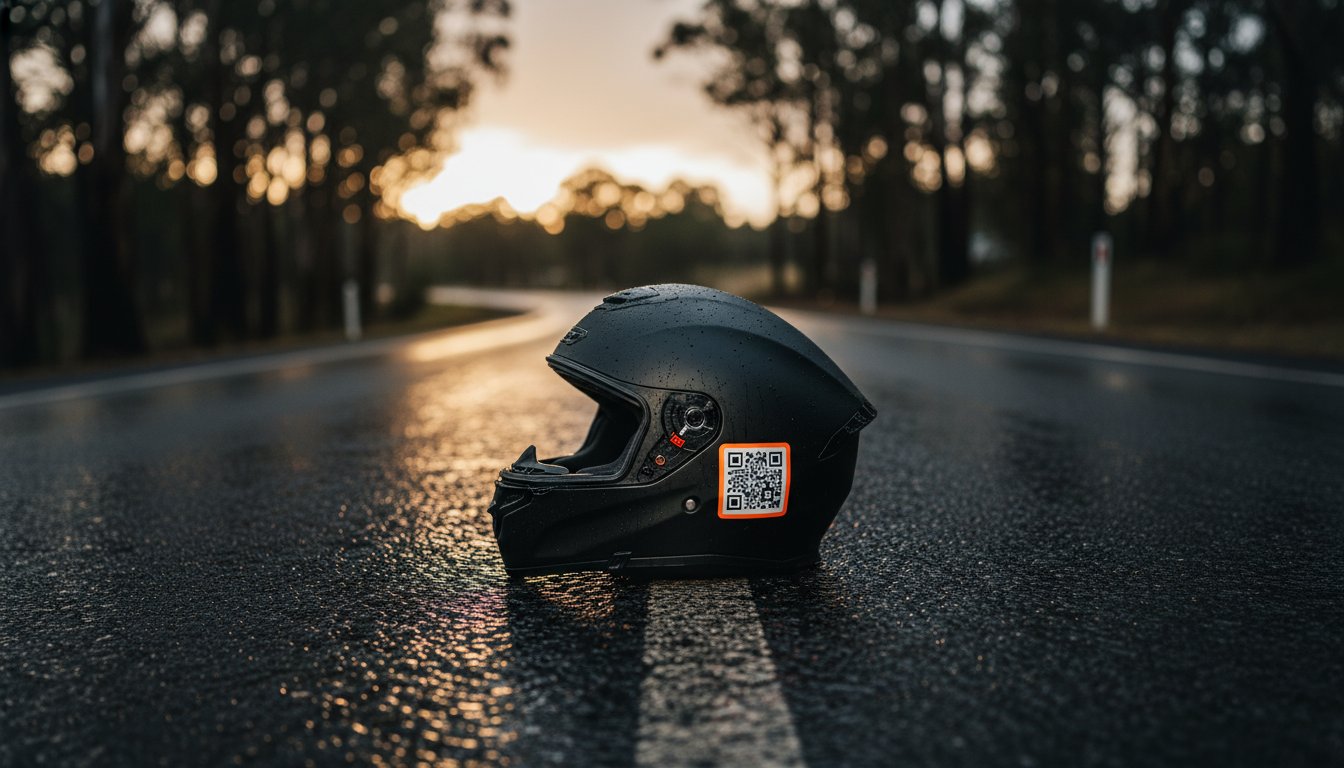
The Australian sun is the single greatest threat to any safety decal. With UV indices frequently exceeding 11 during an Aussie summer, standard paper or vinyl stickers stand little chance. They quickly become brittle, yellowed, and unreadable. For a safety tool designed to be life-saving, this degradation is unacceptable. High-quality qr code stickers for helmets must be engineered to survive these extreme conditions. If the code fades and cannot be scanned by a responder, the entire safety net collapses. This is why material choice is the most important factor when selecting your tag.
Adhesive technology is another critical consideration for riders. Many cheap stickers use harsh, solvent-based glues that can potentially react with helmet shells, especially those made of polycarbonate or composite blends. Using a "Helmet-Safe" adhesive ensures that you aren't compromising the structural integrity of your lid to add a safety feature. Whether you are rocking a carbon fibre track shell or a matte finish cruiser helmet, the bond should be permanent yet safe. A quality A$8.50 PolyDyne PVC tag provides this security without risking the AS/NZS 1698 or ECE 22.06 compliance of your gear.
Weatherproofing for the Harsh Australian Climate
Waterproofing is only the beginning of the battle. While many products claim to be water-resistant, they often fail when exposed to the combination of high-speed wind, torrential rain, and baking heat. A faded QR code is a safety hazard, not just an aesthetic issue. Our tags use specialised inks that won't run or bleach under punishing 2026 climate conditions. This ensures that the 30mm x 40mm footprint remains perfectly scannable even after years of touring the Outback or commuting through humid city centres.
Material Science: Why PolyDyne PVC Wins
Helmets are rarely flat, which makes material flexibility essential. Standard vinyl often "tunnels" or lifts at the edges when applied to the tight radius of a medium or small helmet shell. PolyDyne PVC is a superior alternative because it stretches and conforms to the complex curves of modern headgear. It also offers high resistance to petrol, oils, and cleaning chemicals commonly used by riders during maintenance. While the bond is permanent enough to withstand a 110km/h wind blast, the sticker remains removable with gentle heat if you ever need to decommission your lid.
How to Install and Organise Your Helmet QR Code Sticker
Installing your safety tag is a five-minute task with a lifetime of impact. You only get one chance to create a perfect bond between the adhesive and your gear. Proper surface preparation is the difference between a tag that lasts for years and one that peels off during a high-speed run on the motorway. When you apply qr code stickers for helmets, you are setting up a permanent communication line for emergencies. Follow these steps to ensure your tag remains a silent guardian on every ride.
Surface preparation varies depending on your helmet's finish. For gloss helmets, use 70% isopropyl alcohol to strip away road grime, wax, and finger oils. Matte helmets require extra care. These finishes are often porous and can trap oils deeper in the surface. Clean the area thoroughly but avoid aggressive scrubbing that might "polish" the matte into a shiny spot. Never use window cleaners or household detergents. These often contain ammonia or silicone that prevents the adhesive from biting into the shell. Once cleaned, let the surface air-dry completely for at least 60 seconds.
When applying the sticker, start from the centre and work your way out. Helmets are complex, multi-curved surfaces. By applying pressure from the middle, you allow the flexible PolyDyne PVC to conform to the shape without trapping air bubbles. Use your thumb to firmly seal the edges. This prevents "edge-lifting," which is where dust and moisture usually begin to compromise a sticker. A seamless bond ensures the tag survives the vibration and wind shear experienced at 100km/h.
Optimal Placement for First Responders
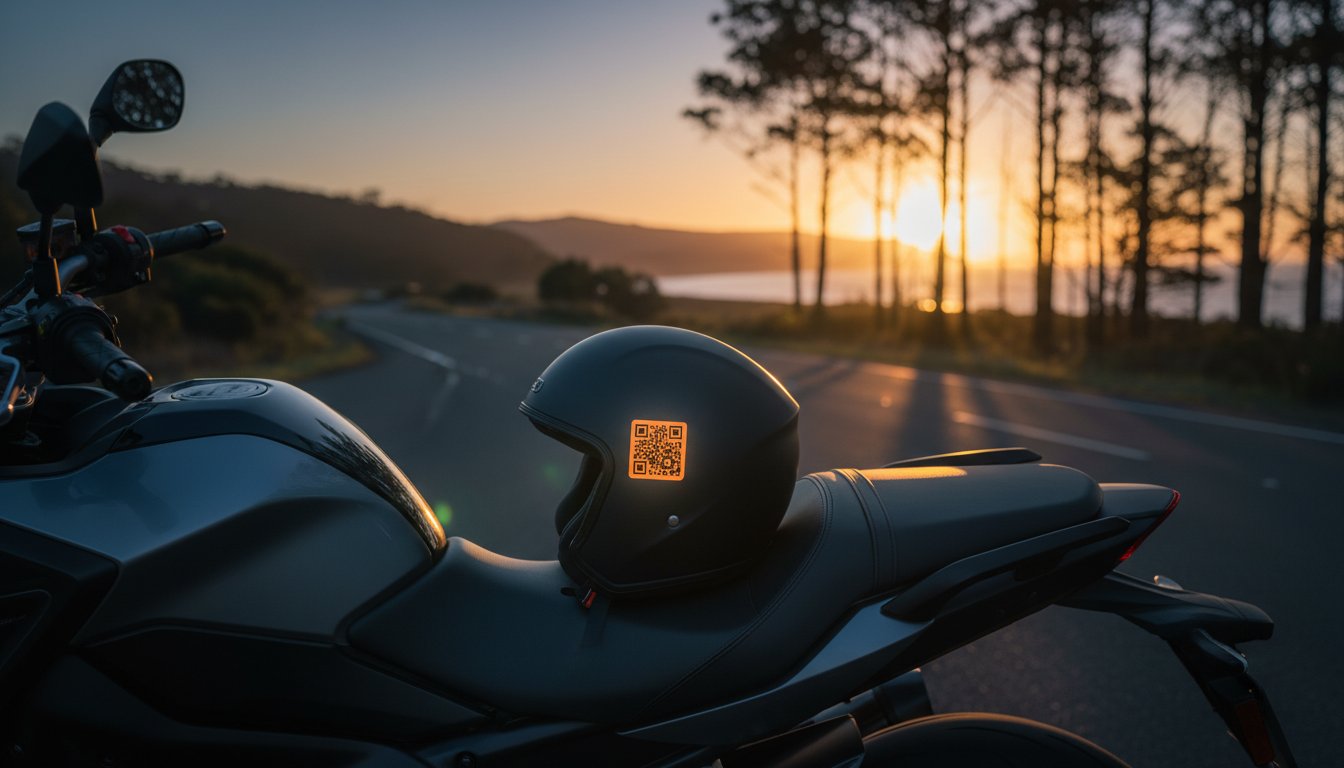
Visibility is everything in a crisis. Paramedics and Good Samaritans need to find your information without moving your head or neck. The lower rear or the side-rear of the helmet is the industry-standard "scan zone." This area is usually at eye level when a rider is being treated on the ground. Avoid placing the tag too low where a jacket collar might rub against it. You should also stay clear of moving parts like visor hinges or ventilation sliders. Ensure the code is centred on a relatively flat section of the curve so a smartphone camera can focus instantly.
The Setup Process: Every Scan Counts
Once the sticker is secure, it is time to bring the technology to life. Open your smartphone camera and scan the code to claim your unique tag. The setup process is intuitive and takes less than three minutes. This is where you enter your "masked" information. Focus on high-priority data: your blood type, known allergies, and primary emergency contacts. Always test the scan yourself before you head out. A quick test ensures the redirect works perfectly and gives you the confidence that your qr code stickers for helmets are ready for "life's unforeseen moments."
Ready to secure your ride? Get your helmet-grade emergency tag today and join the community of prepared Australian riders.
Securing Your Ride with ContactMeTag: The Aussie Advantage
Choosing the right protection shouldn't be a complicated process. When you opt for an Australian-owned brand like ContactMeTag, you are investing in a safety solution designed specifically for our unique environment. Many international tech companies store your personal data on overseas servers where local privacy laws might not apply. By keeping your information within a local ecosystem, you ensure your data stays secure and relevant to the responders who might actually need it on a Victorian highway or a Queensland coastal track. Our qr code stickers for helmets are born from a desire to protect the local riding community with simple, effective technology.
The "No Subscription" philosophy is at the core of our mission. We believe that once you pay for your safety, you should own it for life. While other companies might charge monthly fees to keep your emergency profile active, a single A$8.50 investment in a ContactMeTag helmet tag keeps you protected forever. There are no hidden costs and no surprise bills. If you buy a new helmet in three years, you simply move your profile to the new tag. This pragmatic approach makes high-tech safety accessible to every rider across the country without the burden of ongoing hardware maintenance.
Local Innovation for Local Riders
Australian riders face some of the harshest conditions on Earth. From the blistering heat of the Nullarbor to the salt spray of the Great Ocean Road, your gear takes a beating. We use trademarked PolyDyne PVC because it is the only material that stands up to the task. It is flexible enough for a curved lid and tough enough to resist UV fading and chemical exposure. Because we are based locally, you don't have to wait weeks for international post. We offer fast national shipping so you can secure your gear before your next weekend tour. We take pride in providing a silent guardian that is as rugged as the riders who use it.
Beyond the Helmet: A Complete Safety Ecosystem
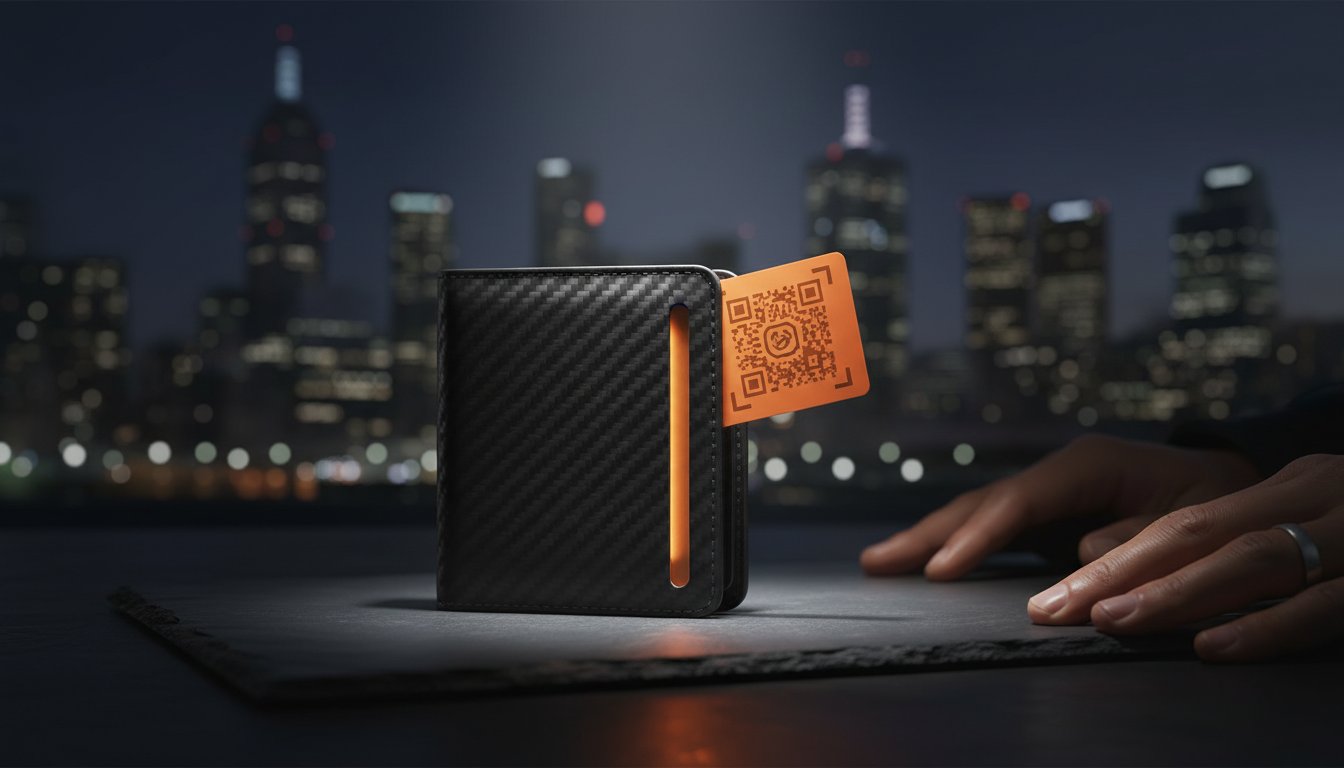
True peace of mind comes from 360-degree protection. While your helmet tag is your primary voice in a crash, having a backup is vital. We encourage riders to carry Emergency QR Code Cards for wallets as an additional layer of security. If your helmet is removed or you are away from your bike, your wallet card ensures your medical history is still accessible. You can manage multiple tags, including your bike, car, and wallet, under one secure, masked account. This creates a seamless safety net that follows you wherever you go. Don't leave your safety to chance. When you can't speak, your QR code speaks.
Secure Your Future on Every Australian Road
Road safety in 2026 is about more than just your physical gear. It's about ensuring your voice is heard when you can't speak for yourself. By choosing qr code stickers for helmets, you bridge the gap between a roadside incident and the life-saving care of the Golden Hour. You now know how trademarked PolyDyne PVC resists the harshest Aussie UV rays and how masked contact technology protects your privacy while you're parked at the local cafe. These simple tools provide the essential data paramedics need without exposing your personal mobile number to the public.
This A$8.50 investment is a practical, one-time step for your protection. There are no monthly fees to worry about and no complex hardware to maintain. As a proudly Australian owned and operated business, we focus on providing reliable security for our local riding community. Every scan counts when time is the most valuable resource you have during an emergency. Don't leave your identification to chance when a digital guardian is so easy to install.
Get your Emergency Helmet QR Tag today; no subscriptions, just safety.
Stay safe, stay prepared, and enjoy the freedom of the open road with total peace of mind.
Frequently Asked Questions
Will the QR code sticker damage my expensive helmet paint or matte finish?
No, our helmet-safe adhesive is designed to bond securely without reacting to polycarbonate, composite, or carbon fibre shells. The flexible PolyDyne PVC material conforms to your lid's shape without leaving permanent residue or ghosting on matte finishes. You can safely apply qr code stickers for helmets to any ECE 22.06 or AS/NZS 1698 compliant gear without compromising the shell's structural integrity.
How do emergency responders in Australia know to scan a QR code on a helmet?
Australian paramedics and first responders are increasingly trained to look for identification in the standard "scan zone" at the lower rear or side of a helmet. By 2026, the widespread adoption of smart safety gear has made digital tags a common expectation at crash scenes. The high-contrast design serves as a clear action point for any Good Samaritan or professional responder arriving on the scene.
Do I need to pay a monthly fee to keep my emergency profile active?
No, there are zero monthly subscription fees or hidden costs associated with your tag. Your A$8.50 purchase includes lifetime access to the secure managed platform for that specific sticker. We believe that life-saving technology should be a one-time investment that protects you for the entire lifespan of your equipment without the burden of ongoing bills.
What happens if I sell my helmet or get a new one?
You should remove the tag before selling your helmet to protect your personal data. Because the adhesive is designed for a permanent lifetime bond, we recommend purchasing a fresh tag for your new lid to ensure maximum adhesion and reliability. You can easily link a new sticker to your existing account and update your secure profile in under three minutes.
Can I include my medical history and blood type on the QR profile?
Yes, you can include vital information such as blood type, allergies, and existing medical conditions. This data is critical for doctors during the "Golden Hour" of emergency care when every second counts. You have full control over what information is shared, ensuring that responders get exactly what they need to treat you safely and effectively.
Is my personal phone number visible to anyone who scans the sticker?
No, your private mobile number remains hidden behind our "Masked Contact" technology. When a finder or responder scans the code, they are directed to a secure gateway that allows them to call your emergency contacts without seeing your digits. This system prevents malicious third parties from scraping your personal data while your bike is parked in public spaces.
How long will the sticker last in the Australian sun before it fades?
Our tags are engineered specifically for the harsh Australian climate using UV-resistant PolyDyne PVC. While standard vinyl stickers often fade within six months, our materials are tested to survive years of exposure to high UV indices. We use industrial-grade inks to ensure the code remains scannable even after thousands of kilometres under the relentless Aussie sun.
What if there is no mobile reception where I have an accident?
If an accident occurs in a "black spot," the sticker still serves as a vital visual indicator that you have digital ID available. Responders can screenshot the code or scan it as soon as they reach a signal area or return to their vehicle. Many Australian emergency services in 2026 are also equipped with satellite link technology, allowing them to access your masked profile even in remote regional areas.